Project Overview
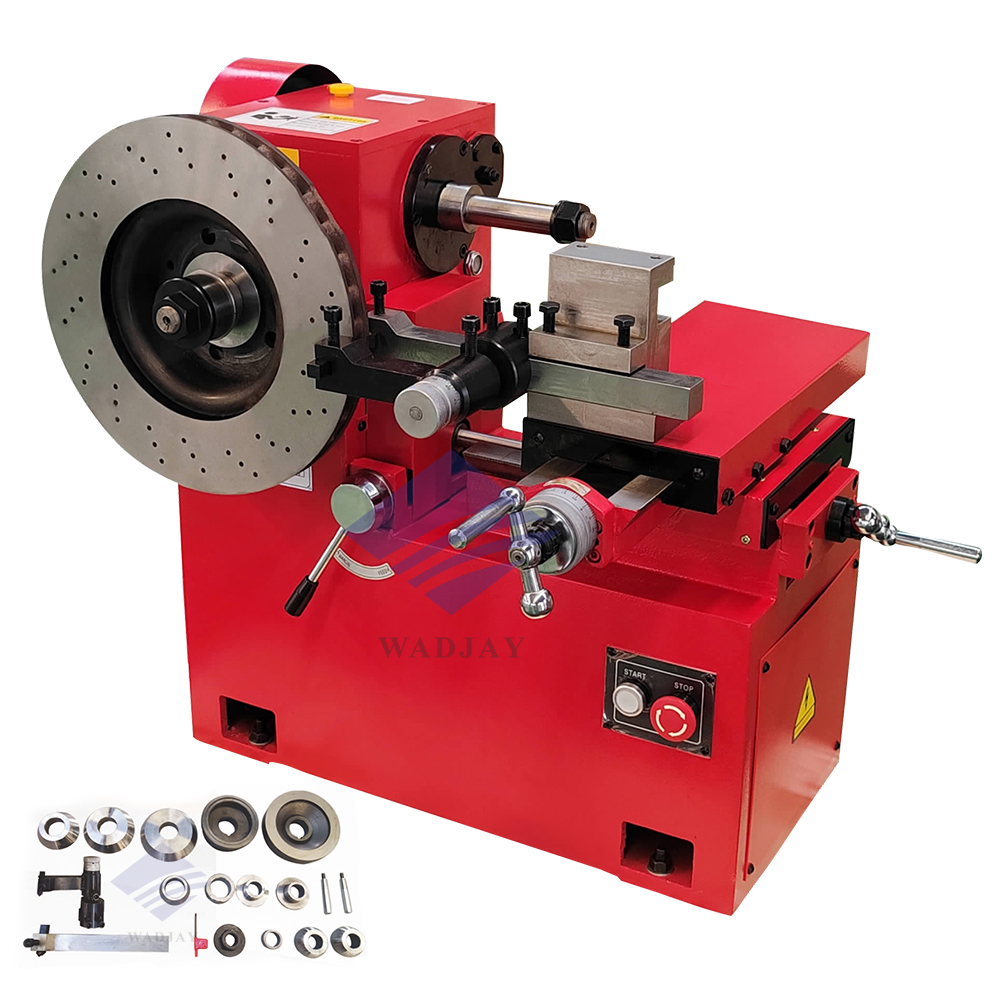
9335A brake lathe resurfaces brake discs & drums with ±0.005mm precision. 110V/220V portable design, 0.75kW motor, φ180-350mm machining range. CE certified for auto repair shops & DIY enthusiasts. 1-year warranty.
C9335A Brake Lathe: Professional Brake Disc & Drum Resurfacing Solution
Precision Brake Restoration for Automotive Repair Shops and DIY Enthusiasts
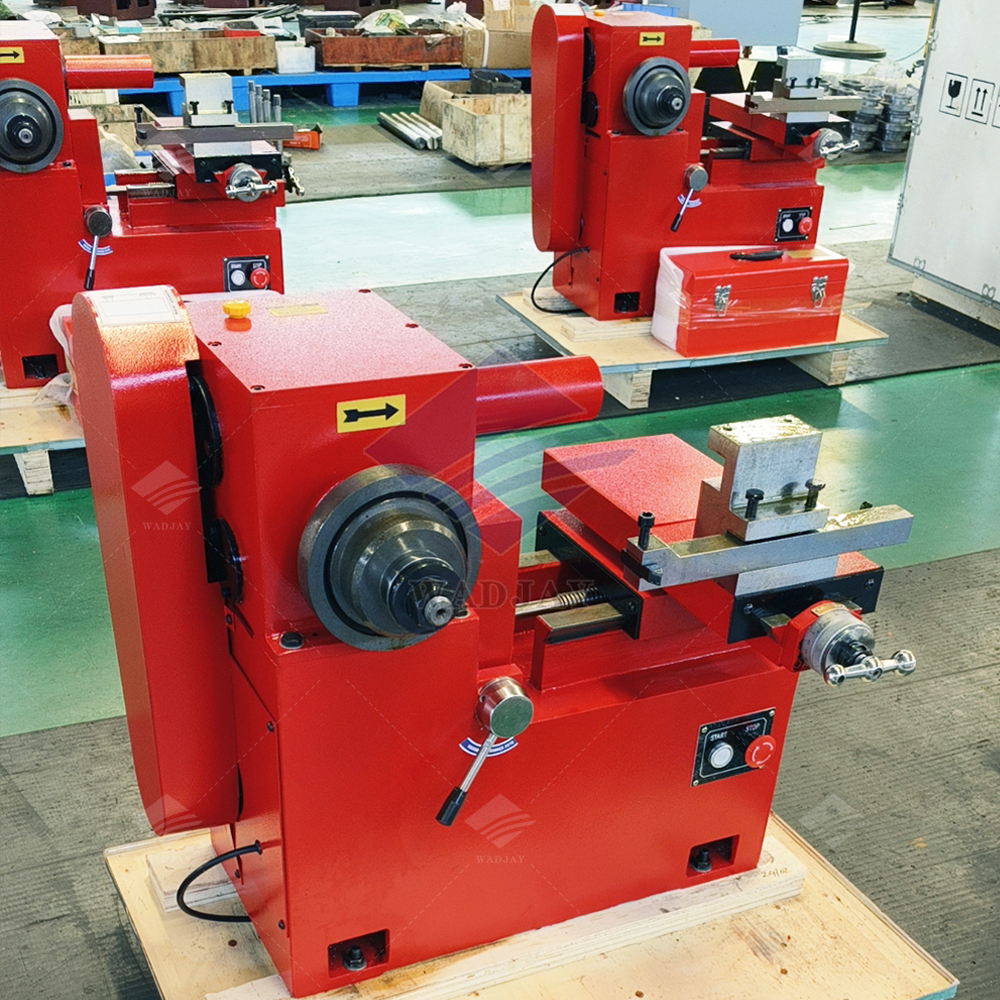
In the automotive repair industry, where brake system safety and performance are non-negotiable, the C9335A Brake Lathe emerges as an essential tool for professional mechanics and serious DIY enthusiasts. This portable brake resurfacing machine delivers factory-level precision in restoring brake discs, drums, and hub plates to original equipment manufacturer (OEM) specifications, extending component life while ensuring optimal braking performance. With its compact design, user-friendly operation, and impressive ±0.005mm tolerance, the C9335A transforms brake repair from a replacement-only service to a cost-effective restoration process that can reduce repair costs by up to 60% compared to component replacement.
Brake resurfacing is a critical maintenance procedure that removes imperfections, grooves, and uneven wear from braking surfaces—issues that commonly cause vibration, noise, and reduced stopping power. Traditional methods often involve outsourcing to specialized shops or replacing components entirely, both of which increase costs and vehicle downtime. The C9335A brings this capability in-house, allowing repair shops to offer complete brake service while maintaining control over quality, turnaround time, and profitability. Its portable design (weighing just 217kg) makes it suitable for shops of all sizes, from independent garages to fleet maintenance facilities, providing professional-grade results without requiring extensive floor space or specialized installation.
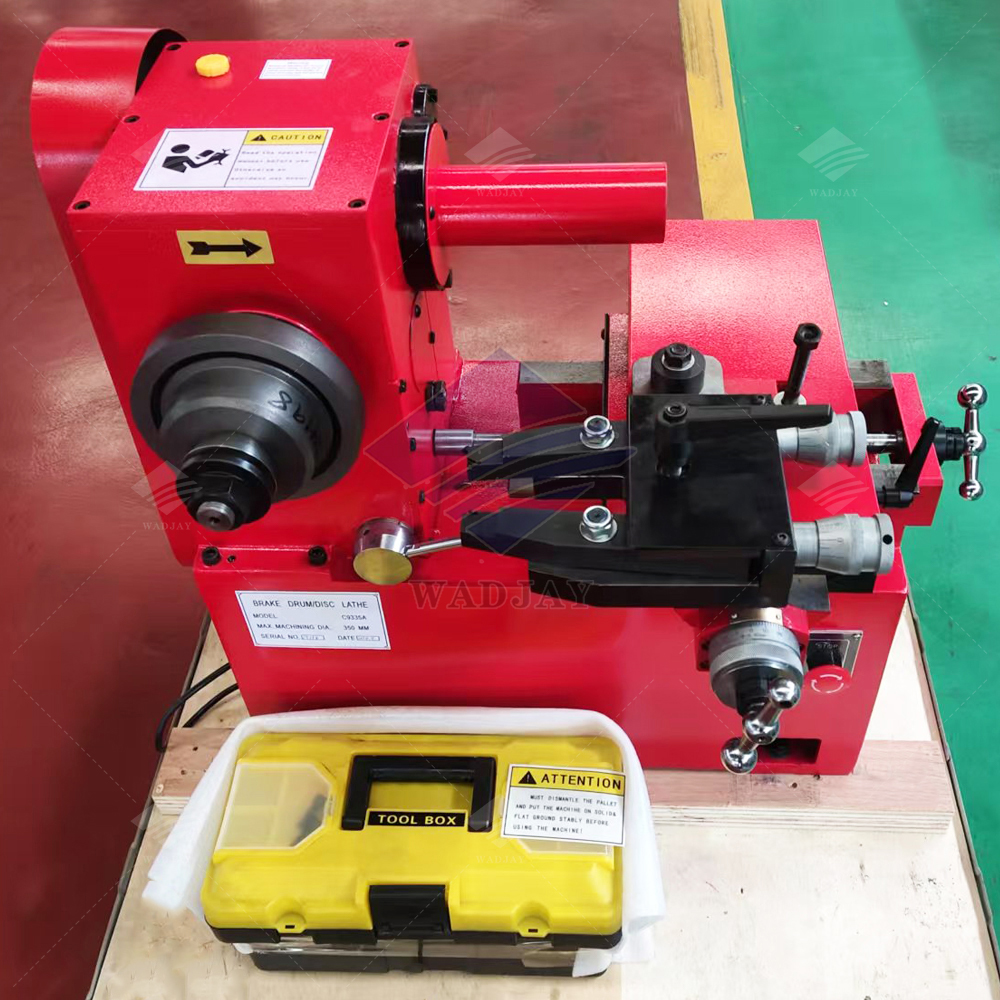
Technical Specifications: Engineered for Precision Brake Repair
Comprehensive Machine Parameters
| Parameter | Specification / Value | Unit |
|---|---|---|
| Machining Diameter Range | φ180 – φ350 | mm |
| Maximum Tool Travel | 100 | mm |
| Workpiece Spindle Speed | 90 | r/min |
| Motor Power | 0.75 | kW |
| Power Supply | 110V/220V AC | — |
| Processing Thickness | 0.3-0.8 | mm |
| Precision Tolerance | ±0.005 | mm |
| Machine Dimensions (L×W×H) | 695 × 565 × 635 | mm |
| Packing Dimensions (L×W×H) | 750 × 710 × 730 | mm |
| Net Weight / Gross Weight | 200 / 260 | kg |
| Control System | Manual with automatic feed options | — |
| Certification | CE Certified | — |
| Warranty | 1 Year |
Performance Capabilities
- Vehicle Compatibility: Cars, trucks, light commercial vehicles
- Component Types: Brake discs, brake drums, hub plates
- Surface Finish: Restores to OEM specifications
- Material Compatibility: Cast iron, composite brake materials
- Operation Environment: Standard workshop conditions
- Skill Level Required: Basic mechanical aptitude
- Setup Time: Minimal, typically under 30 minutes
- Production Rate: 2-4 brake components per hour
Key Features: Transforming Brake Repair Efficiency
1. High-Precision Machining with ±0.005mm Tolerance
The C9335A delivers exceptional accuracy for optimal brake performance:
- Micro-Precision Cutting: Achieves surface finishes within ±0.005mm tolerance
- Consistent Results: Uniform resurfacing across entire braking surface
- Vibration Elimination: Removes grooves and imperfections that cause brake judder
- Parallelism Control: Maintains parallel surfaces for even pad contact
- Thickness Variation: Minimizes lateral runout for smooth braking
- OEM Standards: Meets or exceeds manufacturer specifications
- Quality Assurance: Consistent results across multiple components
- Performance Restoration: Returns braking efficiency to like-new condition
2. Portable and Compact Workshop Design
Space-efficient solution for shops of all sizes:
- Compact Footprint: 695×565×635mm dimensions fit in limited spaces
- Easy Mobility: 217kg weight with integrated handles for positioning
- No Special Installation: Standard workshop power requirements (110V/220V)
- Quick Setup: Ready to operate within minutes of unpacking
- Storage Flexibility: Can be stored when not in use
- Workshop Integration: Complements existing repair equipment
- Multi-Bay Compatibility: Portable between service bays as needed
- Space Optimization: Maximizes workshop productivity per square foot
3. Versatile Application Range
Comprehensive brake component compatibility:
- Diameter Range: Processes components from φ180mm to φ350mm
- Vehicle Types: Suitable for passenger cars, light trucks, SUVs, vans
- Component Variety: Brake discs (rotors), brake drums, hub plates
- Material Types: Standard cast iron, composite, and coated rotors
- Wear Patterns: Corrects grooving, scoring, heat spots, and warping
- Thickness Restoration: Removes minimal material to preserve component life
- Salvage Capability: Can often restore components deemed “unserviceable”
- Preventive Maintenance: Regular resurfacing extends brake system life
4. User-Friendly Operation with Manual/Automatic Controls
Accessible to technicians of all experience levels:
- Intuitive Controls: Simple adjustment knobs and levers
- Automatic Feed: Consistent cutting depth and speed
- Visual Indicators: Clear measurement scales for precise setup
- Quick Changeover: Fast adaptation between different component types
- Minimal Training: Basic operation mastered in under one hour
- Error Reduction: Designed to prevent common setup mistakes
- Process Consistency: Repeatable results across multiple operators
- Documentation Support: Comprehensive manual with setup guides
5. Robust Construction and Safety Features
Industrial-grade durability with operator protection:
- Sturdy Frame: Heavy-duty construction minimizes vibration during operation
- Precision Components: Quality bearings and slides for accurate machining
- Overload Protection: Prevents motor damage from excessive load
- Emergency Stop: Immediate shutdown capability for safety
- CE Certification: Meets European safety and quality standards
- Enclosed Cutting Area: Contains debris and protects operator
- Thermal Management: Designed for continuous operation without overheating
- Long Service Life: Industrial components withstand daily workshop use
6. Cost-Effective Brake Service Solution
Significant savings compared to component replacement:
- Component Salvage: Extends brake disc/drum life by 50-100%
- Replacement Cost Avoidance: Saves 60% versus new component purchase
- Labor Efficiency: Faster than removing/replacing multiple components
- Inventory Reduction: Less need to stock multiple brake part numbers
- Customer Value: Lower repair bills increase customer satisfaction
- Profit Margin: Higher profitability on brake service jobs
- Environmental Benefit: Reduces waste from prematurely discarded components
- Business Growth: Enables complete brake service offerings
arget Applications and User Benefits
Professional Auto Repair Shops
Essential equipment for comprehensive brake services:
- Complete Brake Service: Offer resurfacing alongside pad/shoe replacement
- Quality Control: Ensure perfect mating surfaces for new brake components
- Turnaround Time: Same-day service without outsourcing delays
- Competitive Advantage: Differentiate from shops that only replace components
- Customer Trust: Demonstrate commitment to quality and value
- Service Package: Bundle resurfacing with other brake maintenance
- Fleet Accounts: Attract commercial vehicle maintenance contracts
- Warranty Compliance: Proper surface preparation for warranty claims
Fleet Maintenance Facilities
Cost-effective maintenance for vehicle fleets:
- Preventive Maintenance: Regular resurfacing extends brake life across fleet
- Cost Management: Significant savings on high-volume brake maintenance
- Downtime Reduction: In-house capability minimizes vehicle out-of-service time
- Consistent Standards: Uniform quality across all fleet vehicles
- Record Keeping: Documented resurfacing for maintenance history
- Safety Compliance: Ensure optimal braking performance for fleet safety
- Training Utilization: Develop in-house expertise for ongoing savings
- Budget Forecasting: Predictable maintenance costs versus replacement
DIY Enthusiasts and Home Mechanics
Professional results in home workshops:
- Personal Vehicle Maintenance: Maintain family vehicles to professional standards
- Project Car Restoration: Proper brake surface preparation for classic cars
- Cost Savings: Avoid shop markups on brake service
- Skill Development: Learn professional brake service techniques
- Tool Investment: Long-term value versus repeated professional services
- Community Service: Help friends and family with vehicle maintenance
- Hobby Enhancement: Add professional capability to home workshop
- Quality Assurance: Control over personal vehicle safety systems
Vocational Training Programs
Educational tool for automotive technician training:
- Hands-On Learning: Practical experience with professional equipment
- Skill Standardization: Teach industry-standard brake service procedures
- Safety Training: Proper techniques for brake system maintenance
- Career Preparation: Familiarity with shop equipment before employment
- Certification Alignment: Training for industry certifications (ASE, etc.)
- Program Enhancement: Upgrade technical training capabilities
- Industry Partnerships: Equipment matching local shop standards
- Student Outcomes: Improved employability with practical skills
Operational Advantages: Practical Benefits for Users
Performance Comparison Analysis
| Aspect | Component Replacement | C9335A Resurfacing | Advantage |
|---|---|---|---|
| Cost per Brake Set | $200-$600 (parts only) | $50-$100 (service) | 60-80% savings |
| Turnaround Time | 2-4 hours (with parts availability) | 1-2 hours | 50% faster |
| Component Life | New component lifespan | 50-100% extension of existing component | Better utilization |
| Environmental Impact | Discarded components to landfill | Minimal material removal | Significant reduction |
| Quality Control | Dependent on manufacturer | Controlled in-house process | Better oversight |
| Customer Satisfaction | Higher cost may reduce satisfaction | Lower cost with equal quality | Increased loyalty |
| Shop Profit Margin | 30-50% on parts | 60-80% on service | Higher profitability |
| Inventory Requirements | Multiple part numbers needed | No parts inventory needed | Reduced overhead |
Economic Benefits Analysis
- Direct Savings: $150-$500 per vehicle compared to replacement
- Labor Efficiency: 30-50% faster than component replacement process
- Inventory Reduction: Eliminate brake rotor/drum stocking requirements
- Service Revenue: Additional income stream from resurfacing service
- Customer Retention: Lower prices increase repeat business
- Competitive Pricing: More aggressive pricing while maintaining margins
- Equipment ROI: Typically 3-6 months with moderate usage
- Business Growth: Enables marketing of complete brake service packages
Quality and Safety Advantages
- Surface Perfection: Eliminates grooves, scoring, and heat spots
- Parallelism: Ensures even pad contact for consistent braking
- Thickness Consistency: Maintains manufacturer specifications
- Noise Reduction: Eliminates causes of brake squeal and vibration
- Heat Dissipation: Proper surface for optimal thermal management
- Pad Life Extension: Even surface contact extends pad/shoe life
- Safety Compliance: Restores braking performance to OEM standards
- Warranty Protection: Proper surface preparation for component warranties
Implementation and Operational Guidelines
Workshop Requirements
| Requirement | Specification |
|---|---|
| Workspace | Minimum 1.5×1.5 meter area for operation |
| Power Supply | Standard 110V or 220V outlet (15-20 amp circuit) |
| Lighting | Adequate task lighting for precision work |
| Ventilation | Standard workshop ventilation (dust extraction recommended) |
| Flooring | Level, solid surface capable of supporting 260kg |
| Access | Clear approach for loading/unloading components |
| Safety Equipment | Basic PPE (safety glasses, gloves) |
| Support Equipment | Bench or stand for component handling |
Operational Workflow
- Component Inspection: Measure thickness, check for cracks or damage
- Machine Setup: Adjust for component diameter and type
- Mounting: Secure brake component using appropriate adapters
- Tool Setting: Position cutting tool and set depth of cut
- Machining: Perform resurfacing operation with automatic feed
- Inspection: Verify surface finish and thickness specifications
- Cleaning: Remove machining debris from component
- Documentation: Record service details for customer records
Quality Control Procedures
- Pre-Machining Inspection: Verify component is suitable for resurfacing
- Thickness Measurement: Confirm sufficient material remains after machining
- Surface Finish Check: Visual and tactile inspection of machined surface
- Parallelism Verification: Measure runout across braking surface
- Final Inspection: Comprehensive check against OEM specifications
- Customer Communication: Explain work performed and results achieved
- Service Documentation: Provide details for warranty and future reference
- Continuous Improvement: Monitor results and adjust techniques as needed
Maintenance and Service Protocols
Preventive Maintenance Schedule
- Daily: Clean machine surfaces, check tool condition, verify lubrication
- Weekly: Inspect moving parts, check electrical connections, clean chip collection
- Monthly: Comprehensive lubrication, inspect belts/drives, check alignment
- Quarterly: Deep cleaning, component inspection, performance verification
- Annually: Complete inspection, replace wear items, recalibration as needed
Critical Maintenance Tasks
- Cutting Tool Maintenance: Regular sharpening or replacement
- Lubrication Points: Proper lubrication of slides and bearings
- Electrical System: Check connections, switches, and motor condition
- Alignment Verification: Periodic checking of spindle and tool alignment
- Safety Systems: Test emergency stop and overload protection
- Accuracy Calibration: Verify machining tolerances and adjust as needed
- Component Inspection: Check adapters, fixtures, and mounting hardware
- Documentation Update: Maintain service records for warranty compliance
Frequently Asked Questions (FAQ)
Q: What types of vehicles is the C9335A brake lathe suitable for?
A: The C9335A is designed for passenger cars, light trucks, SUVs, vans, and light commercial vehicles with brake components ranging from φ180mm to φ350mm in diameter. It handles most common brake discs and drums found on vehicles from compact cars to one-ton trucks.
Q: How much material does the brake lathe remove during resurfacing?
A: The machine typically removes 0.3-0.8mm of material per side, depending on the condition of the brake component. The goal is to remove the minimum amount necessary to create a clean, parallel surface while maintaining the manufacturer’s minimum thickness specification.
Q: What is the precision tolerance of the C9335A brake lathe?
A: The machine achieves a precision tolerance of ±0.005mm, which exceeds most OEM specifications for brake surface parallelism and finish. This high level of precision ensures optimal brake pad contact and eliminates causes of vibration and noise.
Q: How long does it take to resurface a set of brake rotors?
A: A typical brake rotor resurfacing takes approximately 20-30 minutes per rotor, including setup time. A complete set of four rotors can typically be completed in 1.5-2 hours, making it significantly faster than waiting for replacement parts to arrive.
Q: What training is required to operate the brake lathe?
A: Basic mechanical aptitude and understanding of brake systems are sufficient. Most technicians can learn basic operation in under an hour, with proficiency developing over several uses. The machine includes comprehensive documentation, and many distributors offer basic training with purchase.
Q: How does resurfacing compare to replacing brake components?
A: Resurfacing is typically 60-80% less expensive than replacement, extends the life of existing components by 50-100%, produces less environmental waste, and allows for same-day service completion. It also ensures proper surface preparation for new brake pads, which can extend pad life and improve performance.
Q: What maintenance does the brake lathe require?
A: Daily cleaning and tool inspection, weekly lubrication point checks, monthly comprehensive lubrication and inspection, and annual calibration and wear item replacement. The machine is designed for minimal maintenance with most service tasks taking only minutes to complete.
Q: Is the C9335A suitable for high-volume shop environments?
A: Yes, the robust construction and reliable performance make it suitable for shops performing multiple brake jobs daily. While not designed for production-line volumes, it easily handles the needs of busy repair shops, fleet maintenance facilities, and vocational training programs.
Q: What safety features are included?
A: The machine includes overload protection to prevent motor damage, an emergency stop button for immediate shutdown, enclosed cutting areas to contain debris, and CE certification ensuring compliance with European safety standards. Proper personal protective equipment (safety glasses, gloves) should always be used during operation.
Q: What is included with the C9335A brake lathe purchase?
A: The standard package includes the main machine unit, necessary cutting tools, component adapters for common vehicle applications, operator manual, and basic maintenance tools. Optional accessories may include additional adapters, tooling sets, stands, and dust extraction systems.